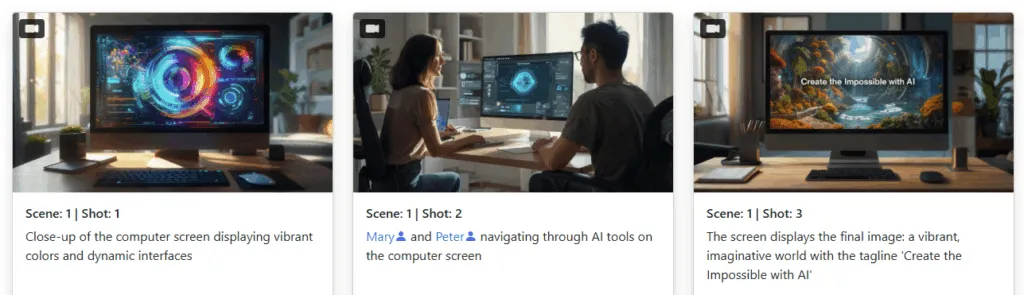
Let's be real for a second. Being an indie filmmaker has always meant doing way too much with way too little. You're the director, the producer, the editor, the colorist, the person who forgot to bring enough extension cords to set. That hasn't changed. What has changed -- dramatically -- is what you can actually pull off on a shoestring budget, thanks to AI tools that have matured fast over the past year.
2026 feels like a genuine turning point. Not in a hype-cycle, "AI will replace everyone" kind of way, but in a practical, boots-on-the-ground way. The tools have gotten good enough that a solo filmmaker or a tiny crew can now handle pre-production, post-production, and everything in between at a level that used to require a full department. The gap between "indie project" and "professional-looking project" has never been smaller.
So here are the five AI tools that are actually worth your time right now -- not theoretical, not gimmicky, but genuinely useful for people making films on tight budgets and tighter deadlines.
This one's first for a reason: pre-visualization is where most indie projects either get organized or fall apart. Traditionally, storyboarding meant either hiring an artist (expensive) or sketching stick figures on napkins (less expensive, but not exactly convincing when you're pitching to investors).
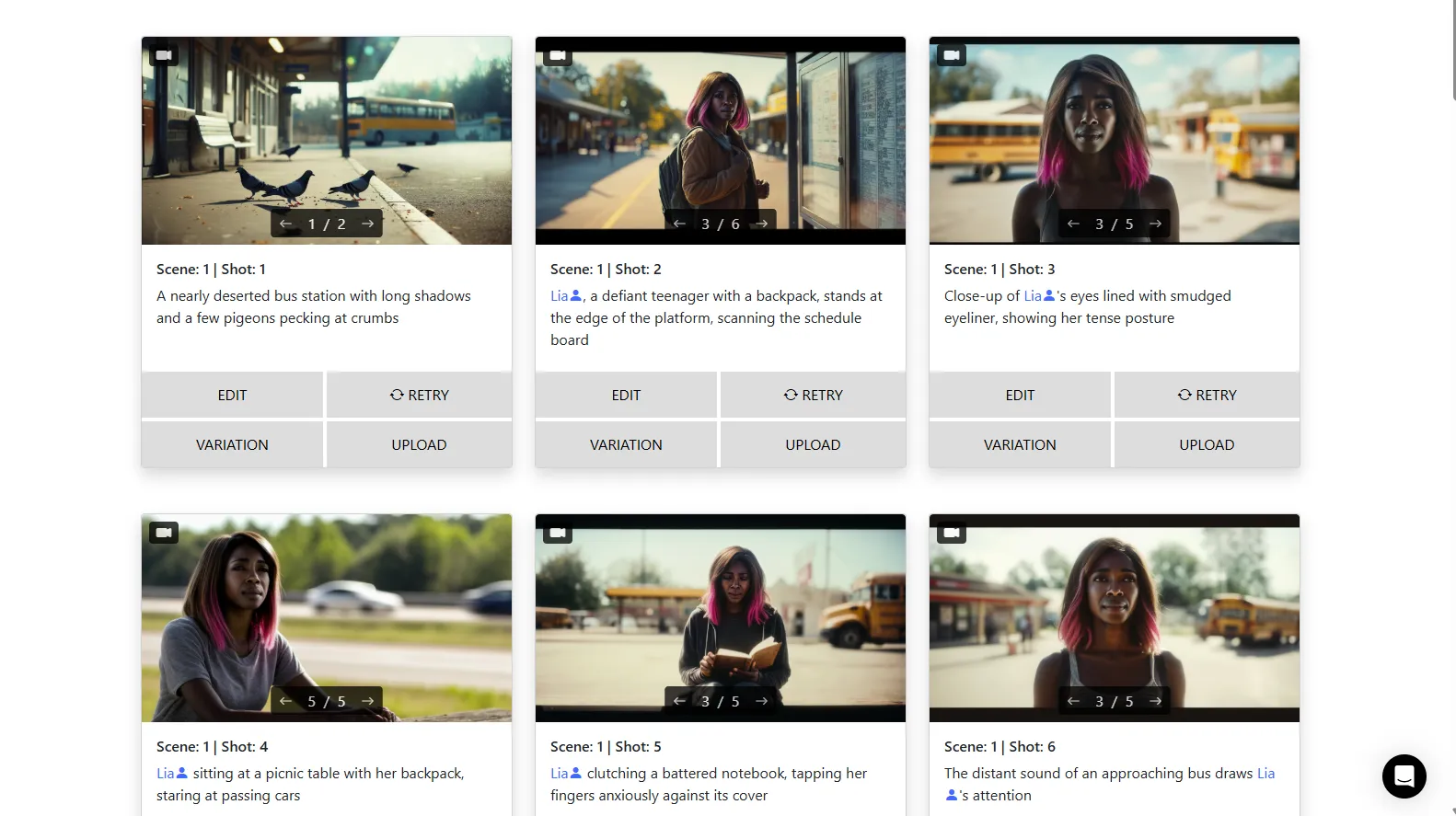
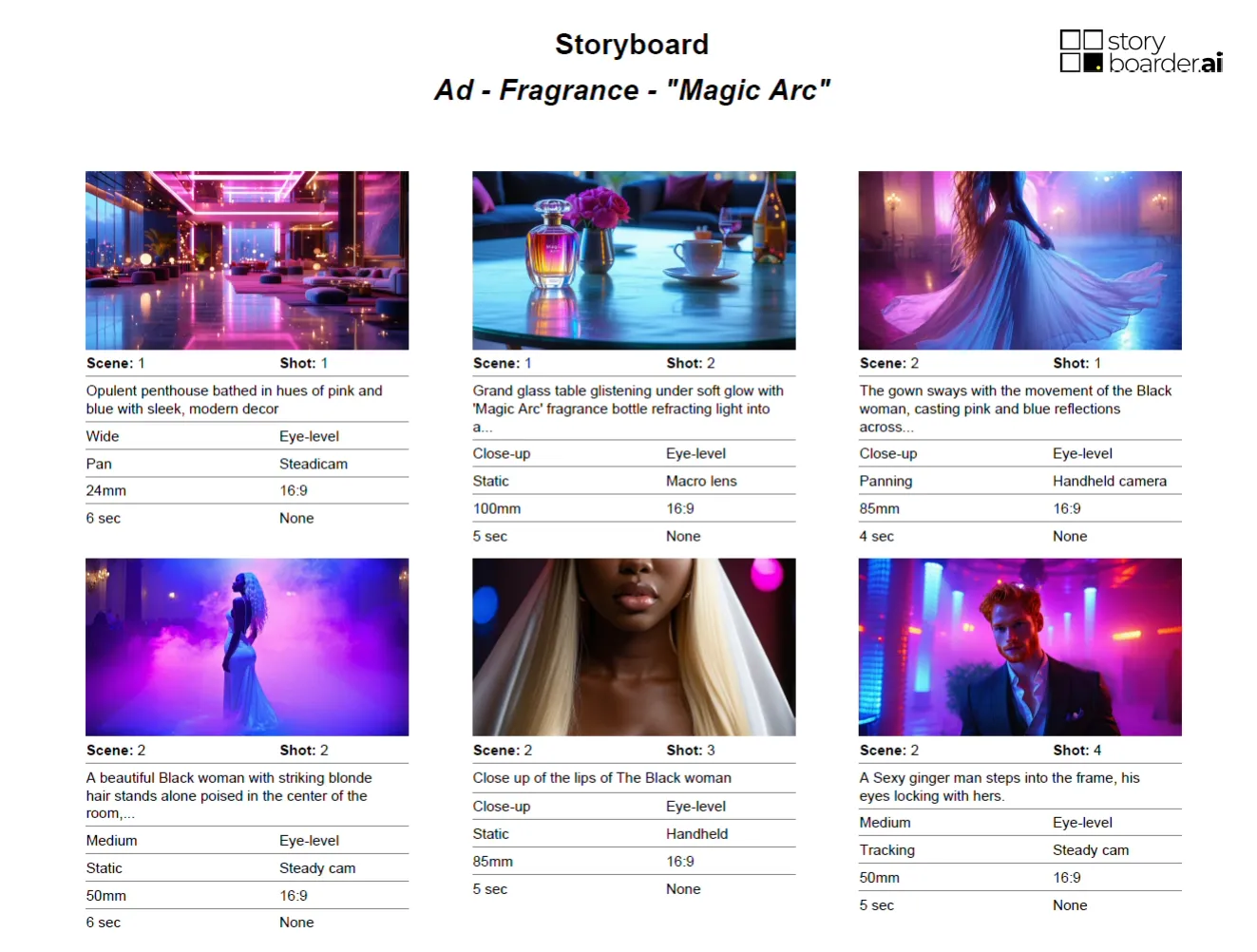
Storyboarder.ai changes that equation completely. You upload your script, and it generates visual storyboard frames for your scenes. But it goes way beyond static images -- you can animate those frames into full animatics, adjust camera angles, swap out backgrounds, and maintain character consistency across your entire project. No drawing skills needed whatsoever.
Where this really shines for indie filmmakers is in two areas: planning and pitching. On the planning side, you can block out your entire shoot visually before you ever step on set, which means fewer surprises on the day. On the pitching side, showing up to a meeting with a polished animatic instead of a script and a prayer is a completely different conversation. Producers and investors respond to visuals. It's just how the industry works.
Voice work is one of those production needs that catches indie filmmakers off guard. You need a narrator for your documentary, temp dialogue for an animatic, character voices for an animated short, or scratch audio for a pitch reel -- and suddenly you're scheduling recording sessions, renting mic time, or begging your friend with the "nice voice" to come over.
ElevenLabs has gotten scary good. The voices sound natural, the emotional range is solid, and you can generate what you need in minutes rather than days. For indie work, it's particularly useful as a placeholder tool: lay down AI voices in your rough cut so you can edit against proper timing, then replace with real actors later if the project demands it. Or, for certain projects like explainer videos, podcasts, or narration-heavy docs, the AI voice might genuinely be your final output. The quality is there.
Post-production is where indie budgets go to die. You need to remove an object from a shot, extend a clip by a few seconds, generate a slow-motion sequence from footage that wasn't shot at high frame rates, or swap out a background that didn't work. Any one of those tasks used to mean hours in After Effects or hiring a VFX artist.
Runway ML puts a lot of that power into a browser-based tool that's surprisingly intuitive. Their Gen-3 model can generate video clips from text prompts, which is useful for B-roll, transitions, or creative inserts. But the more practical features for most indie filmmakers are the editing tools: inpainting to remove unwanted elements, frame interpolation for smooth slow-mo, and background replacement that actually holds up. Think of it as having a junior VFX artist on call 24/7, for a fraction of the cost.
Writers block is real, and so is the problem of being too close to your own material. Every filmmaker knows the feeling of staring at a scene that just isn't working, reading the same dialogue over and over, knowing something is off but not being able to name it.
Large language models like ChatGPT and Claude aren't going to write your screenplay for you -- and honestly, you wouldn't want them to. But they're remarkably useful as creative collaborators. Paste in a scene and ask for feedback on pacing. Brainstorm ten different ways a character could react to a plot twist. Generate a dozen logline variations to see which angle hooks people. Rewrite a chunk of exposition as dialogue. These models are strongest when you treat them like a writing partner who's always available, never tired, and has no ego about their suggestions getting thrown out.
Pro tip: try feeding both ChatGPT and Claude the same prompt and compare the outputs. They have noticeably different creative sensibilities, and sometimes the best version comes from combining ideas from both.
This might be the least glamorous tool on the list, but honestly? It might save your project. Indie filmmaking generates a staggering amount of information: scripts, shot lists, location notes, cast availability, gear checklists, mood boards, budget spreadsheets, and a hundred other documents that all need to be accessible and up to date.
Notion AI and similar project management tools with built-in AI features let you centralize everything in one searchable workspace. The AI layer adds genuine utility on top: summarize meeting notes automatically, draft production schedules from your shot list, search across all your documents with natural language, and generate task breakdowns from high-level plans. When you're running a lean crew, having a single source of truth that everyone can access from their phone on set is not a luxury -- it's a necessity.
Here's where it gets really interesting. These tools aren't just useful individually -- they form a pipeline. Use ChatGPT or Claude to develop and polish your script. Drop that script into Storyboarder.ai to visualize every scene and build your animatic. Layer in ElevenLabs voices so your animatic has real audio timing. Hand off to Runway ML for any VFX-heavy shots or to cut a teaser trailer. Track the whole production in Notion so nothing falls through the cracks.
That's a full pre-production-to-post pipeline powered by AI, running on a laptop, managed by one person or a tiny team. Two years ago, that workflow would have required a small studio. Today, it's Tuesday afternoon for a resourceful indie filmmaker.
The honest truth is that AI doesn't replace the things that make indie films special -- the personal vision, the scrappy creativity, the willingness to take risks that studios won't. What it does is remove the bottlenecks that used to stop those visions from becoming real. You don't need a big studio behind you to create cinematic, pitch-worthy work anymore. With the right tools and your own creative instincts, you are the studio.
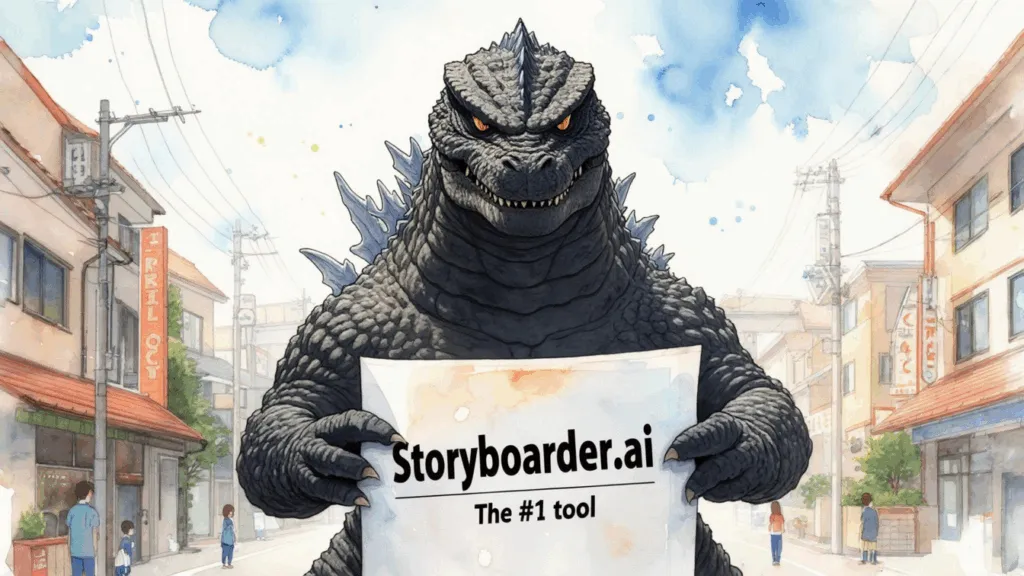
Why Storyboarder.ai is the top pick for filmmakers worldwide.
Read Article →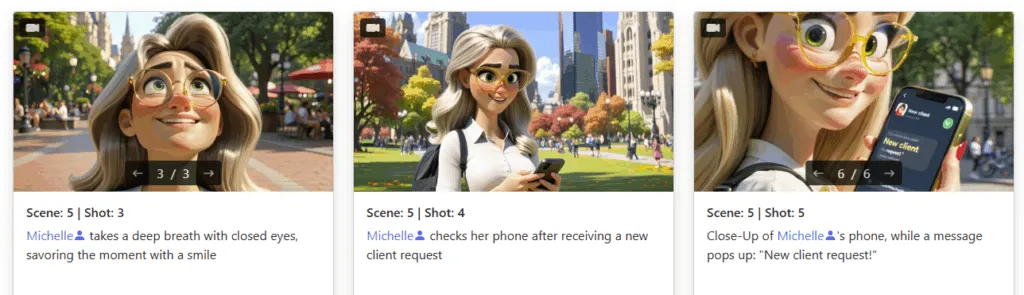
Real user projects and what's possible with AI storyboarding.
Read Article →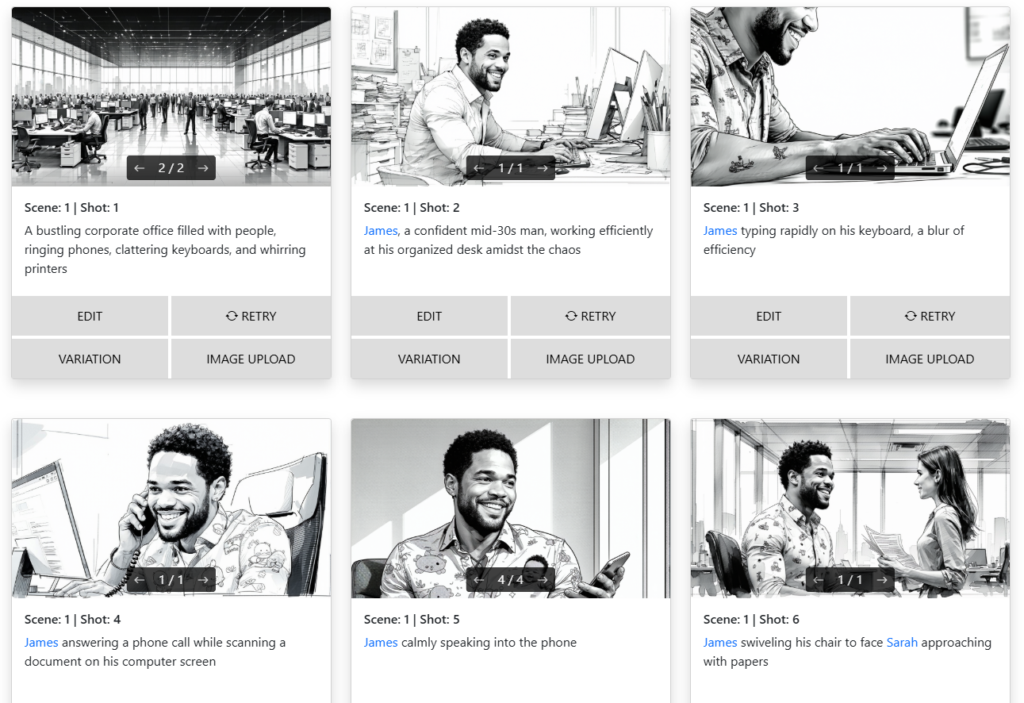
Learn how to storyboard your film or video project using AI — no drawing required.
Read Article →